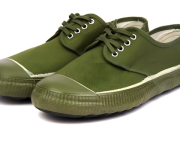
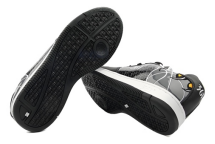
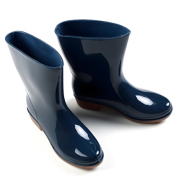
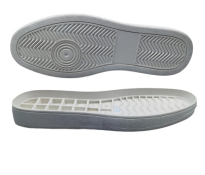
In the footwear industry, rubber is primarily used in shoe soles, serving as a key material determining a shoe's abrasion resistance, slip resistance, cushioning, and support. From everyday athletic and casual shoes to professional work shoes and athletic shoes, rubber soles play an indispensable role.
Depending on the shoe style and performance requirements, the choice of sole rubber is very diverse:
• Abrasion-resistant outsoles: Typically, styrene-butadiene rubber (SBR) or butadiene rubber (BR), or a combination of both, is used to achieve the best balance between abrasion resistance and cost. Natural rubber is also used in some high-performance shoes due to its high strength and grip.
• Foamed midsoles: To provide excellent cushioning and lightweight performance, EVA (ethylene-vinyl acetate copolymer) or polyurethane (PU) foams are often used. Although they do not fall under the category of traditional rubbers, thermoplastic rubbers (such as TPE) and rubber foam materials also have important applications in this area, providing a unique soft feel and rebound.
• Bonding and Processing: Bonding the sole to the upper is a challenging aspect of shoemaking, requiring special surface treatments (such as sanding and chemical treatment) on the rubber and fiber/leather materials, and the use of specialized rubber adhesives. Rubber soles are primarily formed through molding, injection molding, and vulcanization processes.
Consumers are increasingly demanding higher levels of comfort, functionality, and environmental friendliness in footwear. Lightweight, high-resilience foamed rubber/EVA blends are gaining popularity. Meanwhile, sustainable materials, such as soles using partially recycled or bio-based rubber, are becoming a focus for brands.